
Introduction
Madagascar, often called the “Eighth Continent,” is a land of extraordinary biodiversity, breathtaking landscapes, and vibrant traditions. From lush rainforests and endemic wildlife to pristine beaches and welcoming communities, the island has become a dream destination for travelers worldwide. But Madagascar is also fragile: deforestation, climate change, and unsustainable practices threaten its natural and cultural heritage. That’s why sustainable tourism in Madagascar is not just an option—it’s a necessity.
At Madagascar Jangaria Travel, we believe that every journey should benefit both the traveler and the destination. By choosing responsible travel, you contribute to preserving the island’s treasures while creating meaningful connections with local communities.
What Is Sustainable Tourism?
Sustainable tourism is about creating a balance between exploration and preservation. It ensures that tourism activities:
- Protect the environment and biodiversity,
- Respect cultural heritage and traditions,
- Provide direct benefits to local communities,
- Promote long-term economic and social development.
In Madagascar, where more than 80% of plant and animal species are found nowhere else on Earth, the importance of sustainable practices is even greater.
Why Sustainable Tourism Matters in Madagascar
1. Protecting Unique Biodiversity
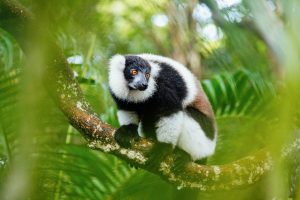
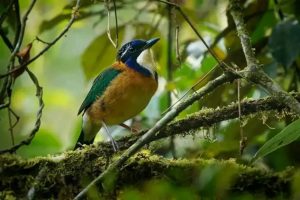
Madagascar is home to lemurs, baobabs, chameleons, and thousands of species found only on the island. National parks like Andasibe-Mantadia, Montagne d’Ambre, and Ankarana are sanctuaries of rare ecosystems. Sustainable tourism helps:
- Support conservation projects through park fees,
- Fund research and habitat restoration,
- Raise awareness about the importance of protecting endangered species.
2. Preserving Malagasy Culture and Traditions
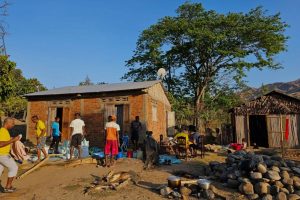
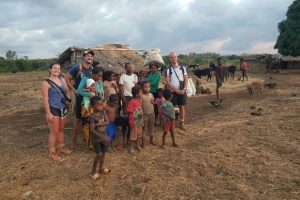
Beyond its natural wonders, Madagascar is a mosaic of cultures with 18 distinct ethnic groups. Sustainable travel encourages authentic encounters through village immersion experiences, traditional ceremonies, music, dance, and cuisine. Respecting local customs and fady (taboos) ensures that cultural heritage is celebrated rather than diminished.
3. Empowering Local Communities
Tourism can have a direct and positive impact when managed responsibly. By choosing community-based initiatives, travelers help:
- Generate income for rural families,
- Support local guides, artisans, and farmers,
- Promote women-led enterprises and youth employment.
This approach not only improves livelihoods but also strengthens pride in local traditions.
4. Encouraging Eco-Friendly Practices
From eco-lodges powered by renewable energy to plastic-free excursions, sustainable tourism reduces environmental impact. Travelers can:
- Stay in eco-conscious accommodations,
- Reduce waste and respect recycling initiatives,
- Participate in reforestation or wildlife conservation projects.
5. Creating Meaningful Travel Experiences
Sustainable travel is not only good for the planet and its people—it’s good for you. By slowing down, engaging with locals, and venturing off the beaten path, you gain a deeper understanding of Madagascar. Every encounter, every story shared, becomes part of your personal journey.
How Travelers Can Practice Sustainable Tourism in Madagascar
- Choose eco-friendly tours and accommodations certified for sustainability.
- Respect wildlife: observe animals from a distance and avoid disrupting their natural behavior.
- Support local economies: buy handicrafts directly from artisans, eat at local restaurants, and hire local guides.
- Be mindful of water and energy use: Madagascar faces resource scarcity in many regions.
- Learn and respect Malagasy customs: understanding cultural norms enriches your experience and builds mutual respect.
Madagascar Jangaria Travel’s Commitment
At Madagascar Jangaria Travel, sustainability is at the heart of everything we do. Our tours are designed to:
- Highlight Madagascar’s natural and cultural heritage,
- Work in partnership with local communities,
- Minimize environmental impact through eco-conscious practices,
- Promote authentic cultural immersion that supports long-term development.
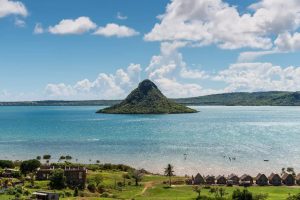
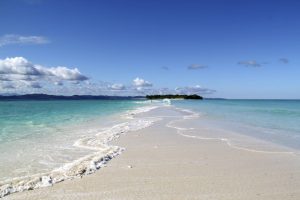
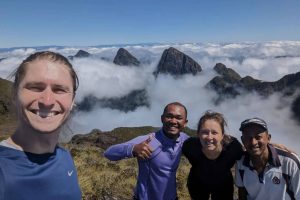
Whether it’s a luxury tour in Nosy Be, a trek through the northern highlands, or an immersion in rural villages, we ensure your journey contributes positively to the island and its people.
Conclusion
Madagascar is more than a destination—it’s a living, breathing world of wonder. Protecting it is a shared responsibility. By embracing sustainable tourism in Madagascar, you help ensure that future generations can marvel at its lemurs, walk among its towering baobabs, and share in the warmth of its people.
At Madagascar Jangaria Travel, we invite you to travel differently: responsibly, respectfully, and meaningfully. Together, we can make your journey not just unforgettable, but impactful.
👉 Contact Madagascar Jangaria Travel today and start planning your sustainable adventure in Madagascar.